Triumph TR7 V8 Conversion
TR7s given Rover V8s after they left the factory, many of them badged as TR8s: why the conversion was easy, how it was done, the Grinnall cars, and how to tell a converted TR7 from a factory TR8. Also called a TR7 V8.
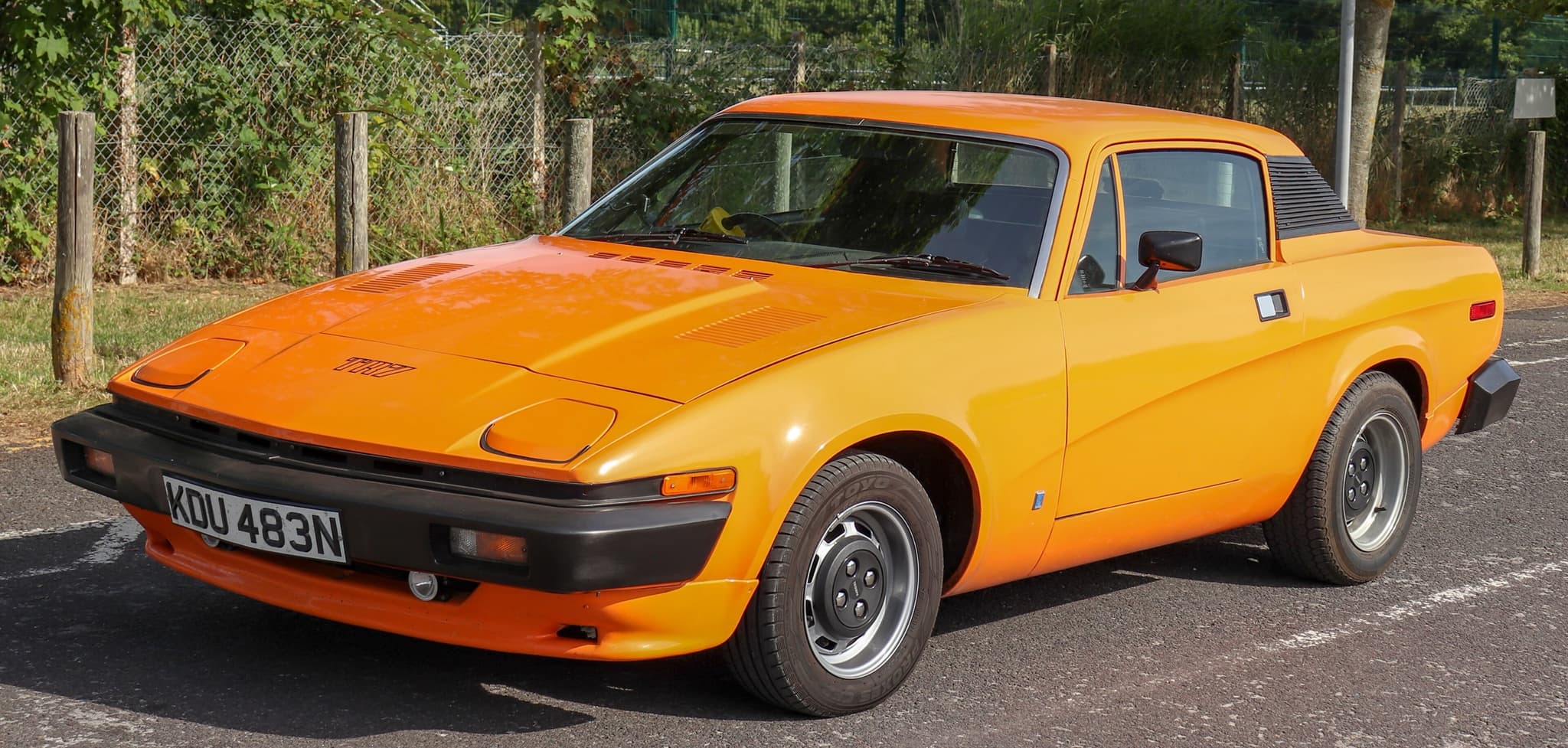
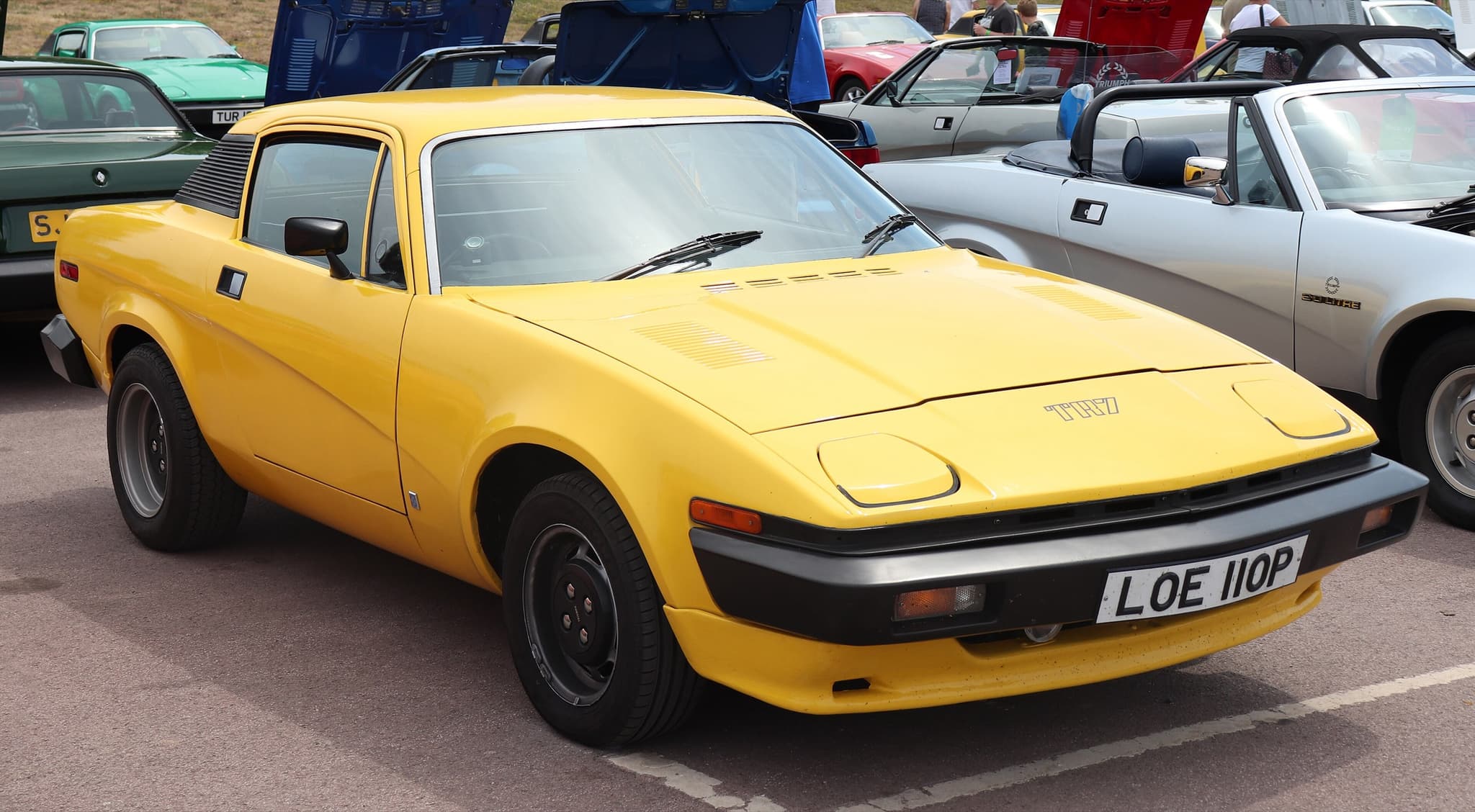
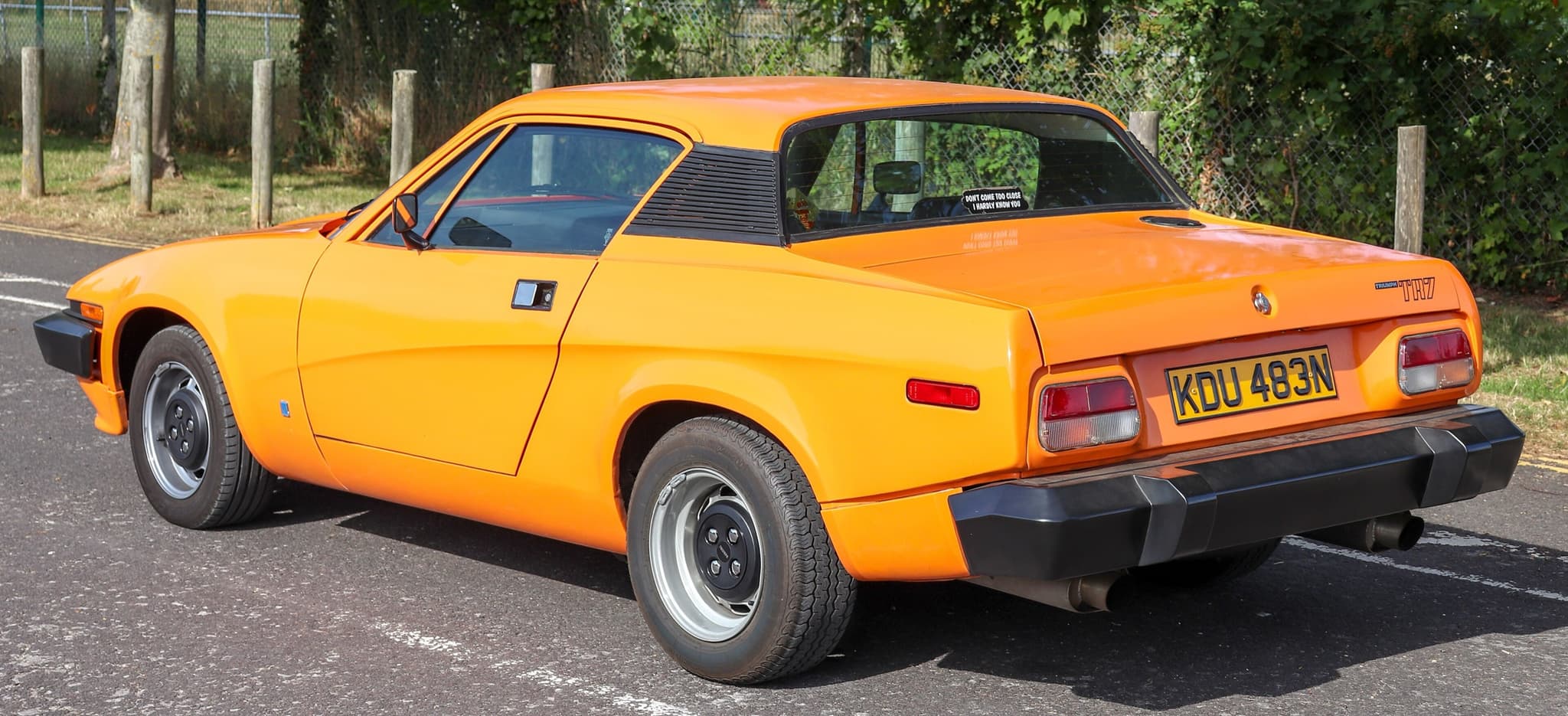
"TR7 V8" is the usual name for a TR7 that has been given a Rover V8, and in Britain there are far more of them than factory TR8s. The TR7 was designed to take the engine, the TR8's parts fitted it, and after the factory stopped making TR8s in 1981, owners and specialists in Britain, North America and Australia went on making their own. The TR Register puts the difference in numbers plainly:
Few, very few pre-production UK spec. TR8s built at the factory, but in later life hundreds more created from TR7s by specialists.
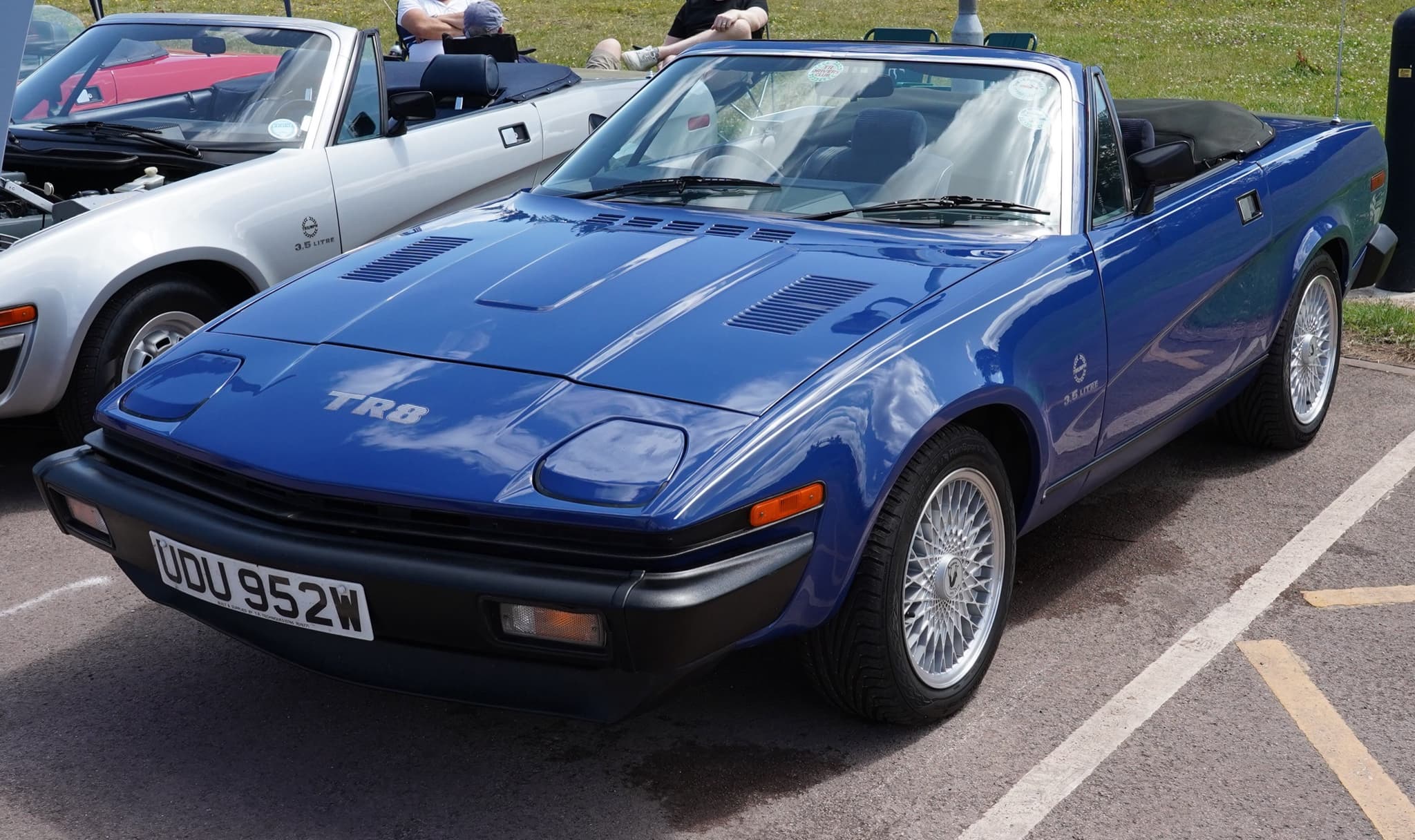
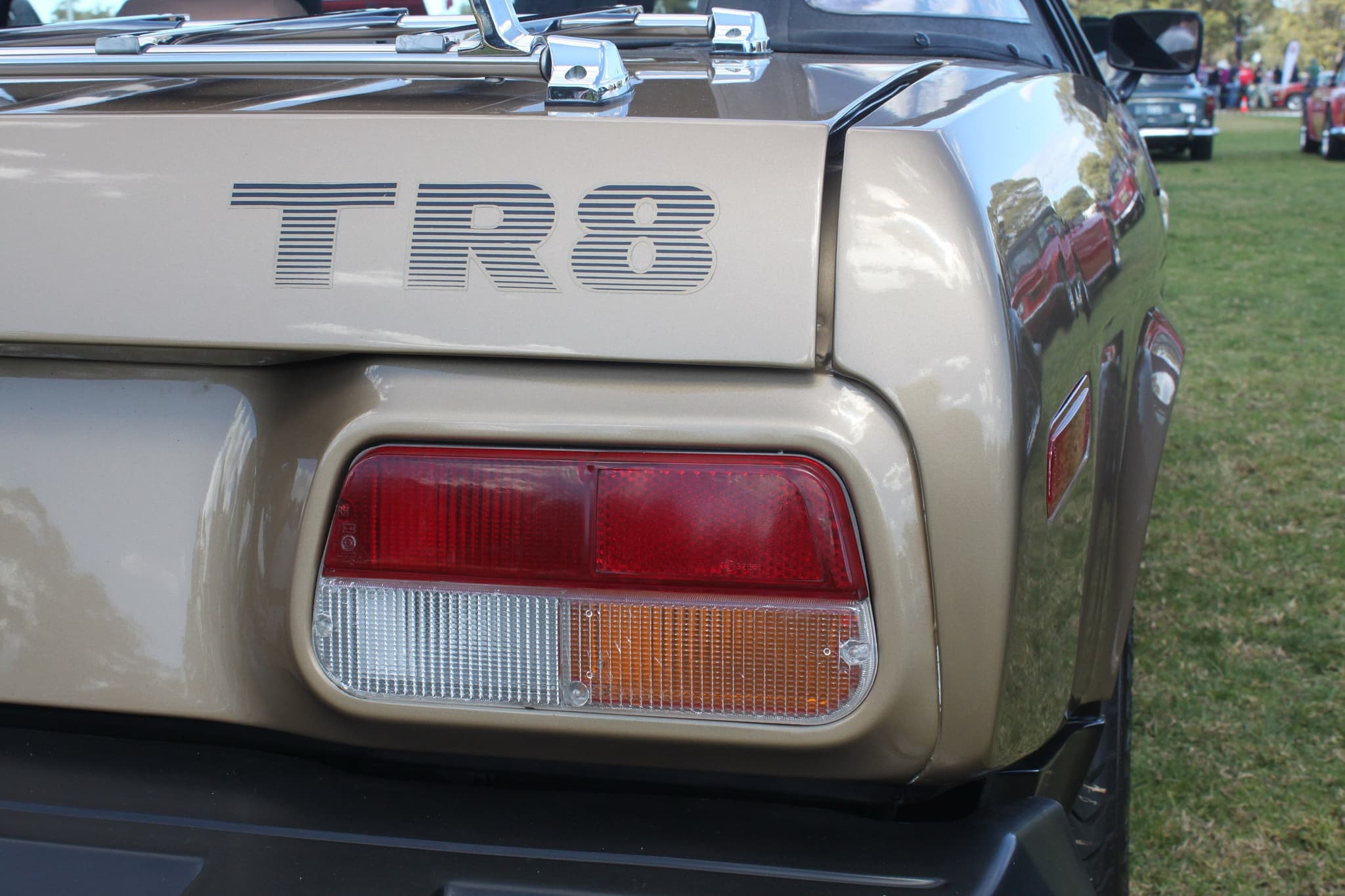
A conversion is not a fake. It becomes one only when it is sold as a factory TR8, and some are badged and registered as TR8s. This page explains how they were made and how to tell them apart.source 1source 2source 3
The three TR7 V8s
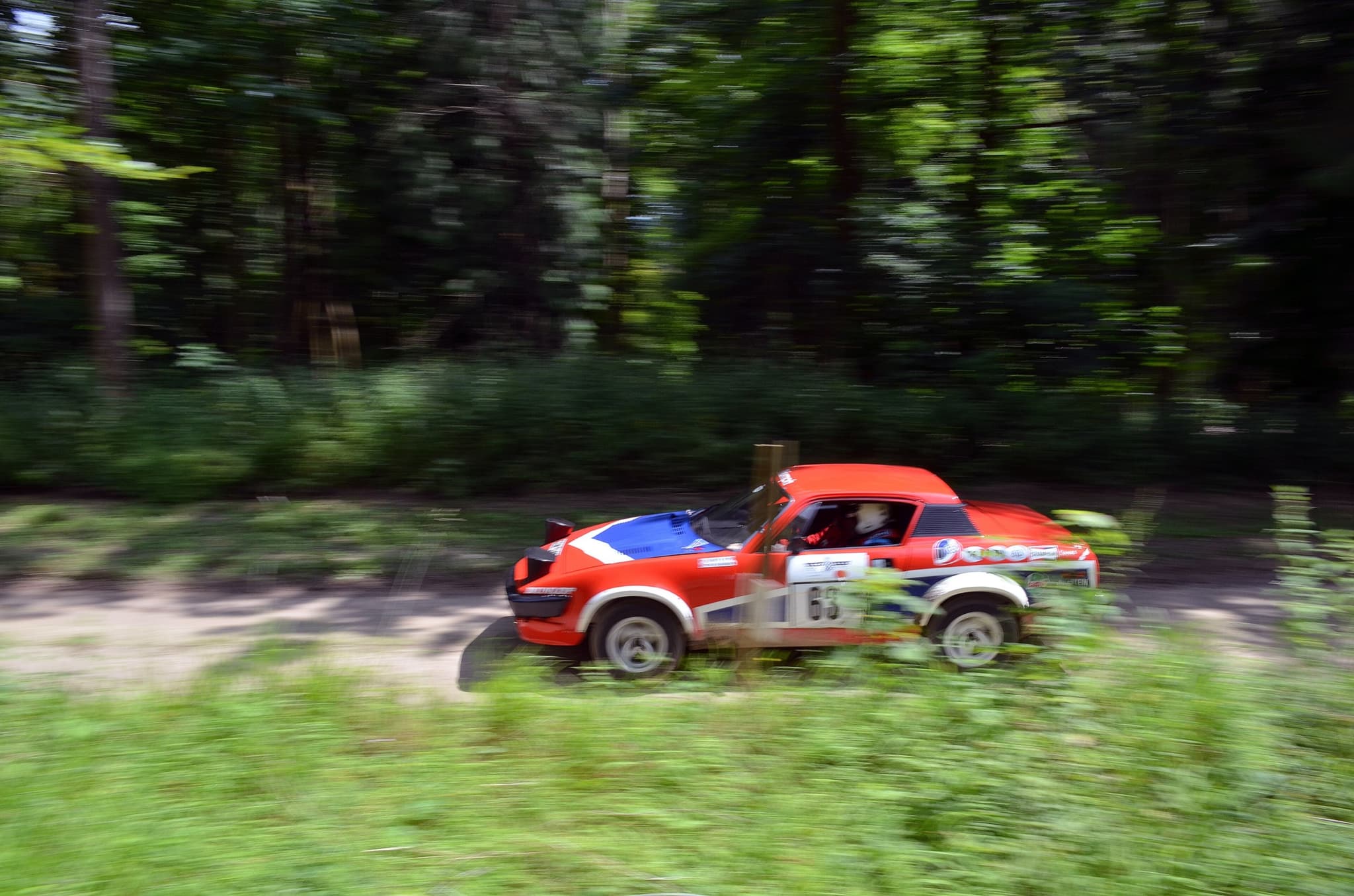
The name has meant three things. The first is the factory's own: triumphtr8.com notes that some of the coupés built at Speke in 1977 were badged as TR7 V8s at first, and BL Motorsport's works rally cars, built on the TR8's recognition by the FIA, ran as TR7 V8s. Those rally cars belong to the TR7's story.
The second is BL's own development cars. Canley's experimental department took cars part-built from the line and "finished in the experimental shop to the final model type", whatever their chassis numbers said, so that some TR8s to the factory began as TR7s. The Canley Classics writer who published those records settles the question simply:
If Triumph called it a TR8, then its good enough for me, its a TR8 regardless of initial chassis number.
triumphtr8.com is more cautious about test cars built from TR7s taken off the line: whether they count is arguable, and only a Heritage Certificate can show what the factory recorded. Canley's records show a V8 that the factory built into a right-hand-drive TR7 shell, the rally-coloured EKV 397T, which the British School of Motoring used at Brands Hatch, and triumphtr8.com another, a car for testing Lucas's injection.
The third, and the subject of this page, is the TR7 converted after it left the factory.
How conversions were done
The conversion was easy because the TR7 had been planned with the V8 in mind from the start: Road & Track noted in 1980 that "the car was originally designed with this engine as an alternative source of power". The TR8's engine, gearbox (transmission), axle, power-steering rack, servo, airboxes and subframe were all in the parts lists for years, and triumphtr8.com notes that converters also used the Rover SD1's steering rack, with a much bigger pump, and the TR Register's guide explains which later Rover V8s share its parts. Many moved the battery to the boot (trunk) as the factory had, removing an easy clue. In Australia, according to Wikipedia, the V8 of the Leyland P76 was a popular choice.
During the 1980s and 1990s, TR7V8 conversions became extremely popular in the UK. Many were completed to a very high standard and fitted with full TR8 badging, making them difficult to distinguish from a factory-built TR8.
In the United States and Canada, triumphtr8.com says, the picture is largely the reverse, though conversions can still be found there, "largely because Triumph never produced enough TR8s to meet market demand". Some of the converted cars began in BL's own fleet: Canley's records show its development fleet of 25 TR7s with BL's O-series engine "scrapped" in June 1981, but triumphtr8.com believes they left as rolling shells, and the records' compiler, checking the official register, found that most of the survivors appeared to have been given V8s since.
triumphtr8.com names S&S Preparations as a conversion specialist from the mid-1980s, and notes that some specialists built honest cars to the full TR8 specification, described as conversions by their builders. The trouble starts with stories of secret factory cars, which triumphtr8.com suspects were "almost certainly parts cars built at the end of production from whatever parts wandered out of the back gate late at night".source 9source 10source 2source 1source 7source 8source 11
Grinnall
Wikipedia, citing auction listings, says that Mark Grinnall's business converted TR7s to V8 power, went on to build about 350 Grinnall TR8s and saw the TR Register recognise the car as a marque in its own right in 2006. No statement of either by the TR Register itself has been read: the club describes the cars it caters for, in triumphtr8.com's quotation, as the TR2 to TR8 "and their associated derivatives Swallow Doretti, Peerless, Warwick, Italia and Grinnall". However it is counted, a Grinnall is not a factory TR8.source 12source 13
Telling a conversion from a factory TR8
| Check | Factory TR8 | Typical conversion |
|---|---|---|
| Chassis number | ACN, TCN or TCV, or a TR8 VIN: V in the fifth place, or 5 in the seventh (a few British cars apart) | A TR7 prefix (ACL, ACG, ACW, TCG, TCW, TCT), or J in the fifth place |
| Chassis plate | TKC5574 in the door shut, or TKC6764 on a British car's turret, rated at 1,420 kg | The TR7's TKC4544 or TKC4542, rated at 1,340 kg |
| Engine number | 10E to 15E, or 20E or 21E on a British car | An SD1, Range Rover or other prefix |
| Steering | The TR8's power rack and pump | A manual TR7 rack, or an SD1 rack with a bigger pump |
| Brake servo | A + on its face | The TR7's X |
| Fuel system | Twin Zenith-Strombergs under TR8 airboxes, or Lucas/Bosch injection | Other carburettors |
| Battery | In the boot | Under the bonnet (hood), which proves a conversion, or in the boot, which proves nothing |
| Inertia switch | Square on 1979–80 cars, round on earlier ones | Often absent |
| Rev counter | Red-lined lower than a TR7's | The TR7's |
| Papers | A Heritage Certificate showing a TR8 | A certificate showing a TR7 |
No single sign settles it except the chassis number and the certificate; the rest only support them. The numbers are decoded on identification, and the buyers guide covers the rest of an inspection.source 3source 2source 14source 15source 16source 17
Sources
Sources are given as plain text; their addresses are on the sources page.
- Primarymade at the time, by the maker or by people who were there
- Referenceserious later work: clubs, specialists, magazines, books
- Uncheckedencyclopaedias and enthusiast sites: cited beside a good source, named in the sentence, or marked Unchecked
- Malcolm Paris (compiler), "Triumph TR7 / TR7 V8 and TR8 Buyers Guide", TR Register, "Few, very few pre-production UK spec. TR8s built"; FAQ: the Rover V8's sizes. Reference
- triumphtr8.com, "TR8's Genuine Factory cars: History & Authentication" and "Is it a genuine TR8?", 6 Jun 2026, conversions with TR8 badging; test cars built from TR7s off the line; the parts used; the SD1 rack; the battery; "During the 1980s and 1990s"; conversions in America; plates, engine numbers, rack, servo, fuel system, battery, inertia switch. Reference
- Paul Towle and Rex Holford (update) and Mark Elbers (update), "TR7 & TR8 Identification & Production Data Explained", TR Drivers Club, 1987, updated (© 2016), the TR8 prefixes; the TR7 and TR8 prefixes and VIN places. Reference
- triumphtr8.com, Variant pages (group): "FHC TR8 (ACN) 1977", "FHC TR8 (TCN) 1978–1979", "TR8 (TCV) 1979 DHC", "TR8 (TP) 1980", "DHC TR8 (SAT) 1981/82", FHC TR8 (ACN) 1977: the first badging. Reference
- Michael L. Cook, "1981 Triumph TR8: Fast and Last", Special Interest Autos, no. 156, Nov–Dec 1996, pp. 10–17, p. 13, the rally cars labelled "TR7 V-8". Reference
- Chris Turner (credited by the club), "The Works Triumph TR7 V8 Rally Cars" and the car pages (group), TR Drivers Club, the works TR7 V8s on the TR8's recognition. Reference
- Canley Classics, "TR7 & TR8 Experimental Records", the experimental shop; "If Triumph called it a TR8"; EKV 397T; O Series section: the fleet scrapped in June 1981; the survivors with V8s. Primary
- triumphtr8.com, Pages (group): "FHC V8's 'TR8 Pre Production'", "TR8s with Creative Histories" and its linked case page, "Triumph TR8 RHD vs LHD: Factory Conversion Myths", "Buying a TR8", "TR8 Test, Development. EXP cars", the Lucas test car; the O-series shells; the specialists; honest conversions; "wandered out of the back gate". Reference
- Rex Holford, "A Brief History of the TR8", TR Drivers Club, the TR7 designed for the V8. Reference
- Road & Track, "Triumph TR8: Good news from the other side" (road test), Jun 1980, pp. 76–79, p. 76, "originally designed with this engine". Primary
- Wikipedia (EN), "Triumph TR8", 2026, the Leyland P76 engine in Australia. Unchecked
- Wikipedia (EN), Articles (group): "Bill Adam", "Grinnall Specialist Cars", 2026, "Grinnall Specialist Cars": about 350 cars and the recognition of 2006, citing auction listings. Unchecked
- triumphtr8.com, Pages (group): "TR8 VIN/CHASSIS", "TR8 Paint Codes", "TR8 trim codes", "TR8 Documents", "TR8 Adverts", "TR8 Clubs", "TR8 Efi – Injection system and sensors", "WL9 Camshaft", "Leyland Special Tuning", "TR8 FIA RAC", "TR8 Auto Choke", "TR8 Badges where do they go?", parts pages, posts "RHD TR8 UK SPEC" and "Round Britain Reliability Run 2023", the TR Register's description of the cars it caters for, as quoted. Reference
- Triumph Wedge Owners Association, Document pages (group): "TR8", "Memos", "Brochures", TSB indexes, "Deciphering the Wedge", "Component Serial Numbers", "TR8 Cooling Fan System", "TR8 ECU", Component Serial Numbers. Reference
- John Miles, "Miles Behind the Wheel: America's TR8", Autocar, 1979 (May, according to triumphtr8.com), p. 1, the red line. Primary
- Don Sherman, "Triumph TR8" (road test), Car and Driver, Aug 1980, pp. 36–40, data panel, the red line. Primary
- British Motor Museum (BMIHT), "Heritage Certificates", service description. Primary